
“My health is deteriorating…” Eddy Merckx’s Hospital Announcement, the Emotional Press Conference, and the Statement That Shook Cycling in 15 Minutes
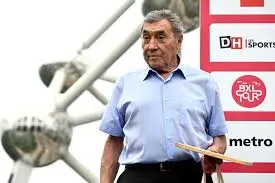
The cycling world was left reeling after legendary Belgian rider Eddy Merckx appeared at a press conference following several days in hospital and opened his remarks with a sentence that immediately sent a chill through the room: “My health is deteriorating.” Spoken calmly but with visible strain, the words carried enormous weight coming from a man long regarded as indestructible, a symbol of endurance whose nickname, “The Cannibal,” once defined an entire era of the sport.
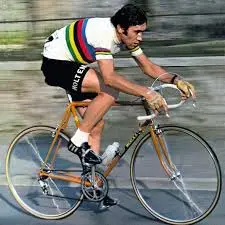
News of the press conference spread rapidly, amplified by the fact that Merckx, now in his late seventies, has always been selective about speaking publicly on personal matters. Journalists present described a subdued atmosphere, with cameras clicking cautiously and questions held back out of respect. For a few tense moments, it seemed as though the cycling community was bracing itself for devastating news about one of its greatest icons.
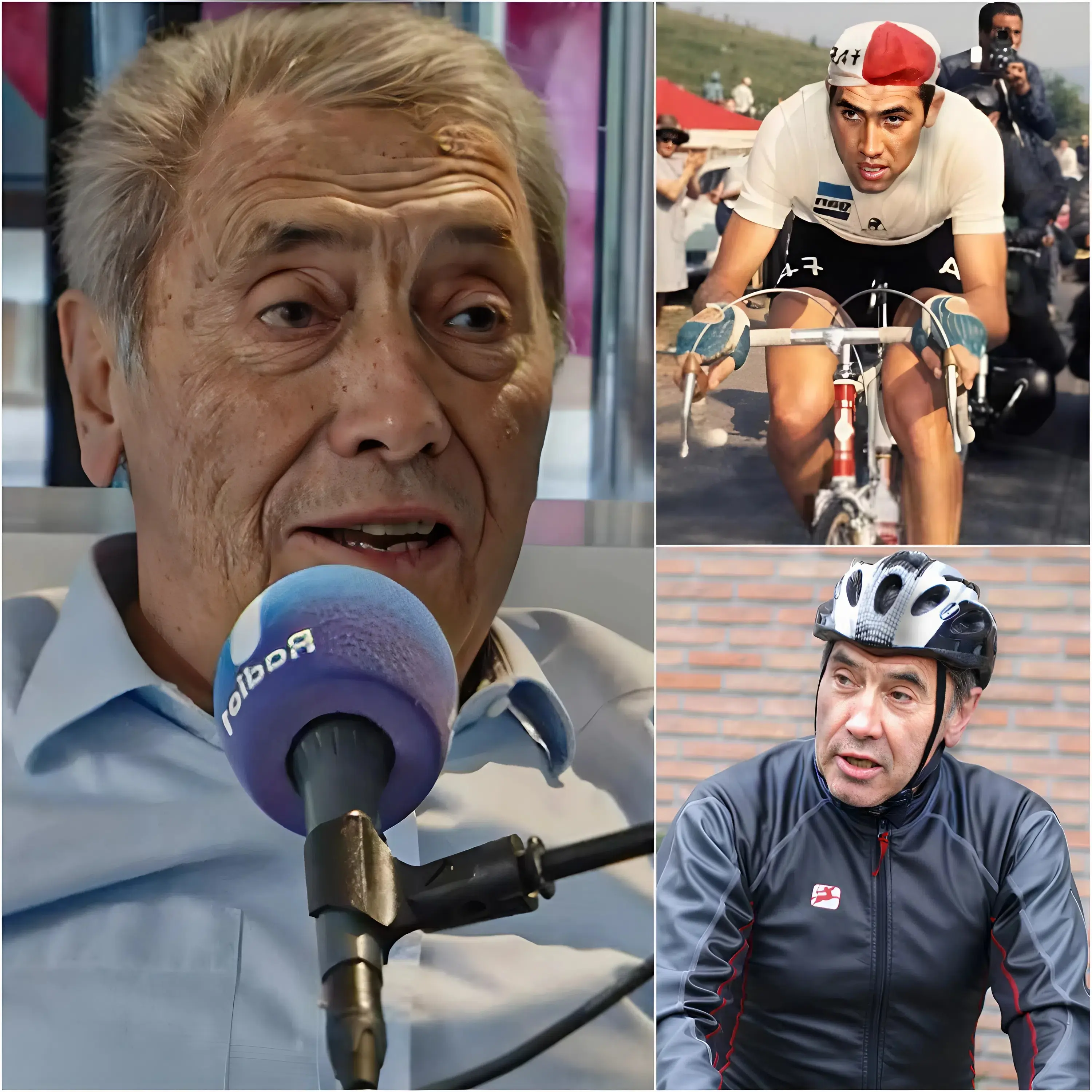
Merckx confirmed that he had spent several days in hospital for medical monitoring and treatment, explaining that ongoing issues had required closer attention from doctors. He did not specify diagnoses or timelines, stressing instead that his appearance was meant to address growing rumors and to speak directly to fans rather than allow speculation to spiral unchecked. “I wanted you to hear it from me,” he said, acknowledging the concern his absence had caused.
Those initial words were enough to ignite a firestorm. Within minutes, social media lit up with messages of fear, gratitude, and disbelief. Former rivals, current professionals, and fans from every generation shared memories of Merckx’s victories and the inspiration he provided. Many spoke not just of his records, but of the way his career shaped their love for cycling itself.]
Then, unexpectedly, the tone of the press conference shifted. After addressing his condition, Merckx paused, looked up from his notes, and made a statement that stunned everyone present. He emphasized that while his health challenges were real, they were not a farewell. On the contrary, he spoke of determination, of following medical advice closely, and of focusing on recovery rather than decline. “I am not giving up,” he said, a short sentence that instantly reframed the narrative.
That moment, according to reporters in the room, changed everything. The tension softened, replaced by a cautious sense of relief. Merckx clarified that doctors remained optimistic and that his hospital stay was part of a broader plan to stabilize and improve his condition. He thanked the medical staff, his family, and the fans who had supported him quietly over the years, noting that the outpouring of concern reminded him how deeply cycling remains a shared community.
The impact of his words was immediate. Within 15 minutes, the cycling world seemed to erupt—not in panic, but in renewed solidarity. Messages of encouragement poured in from teams, federations, and athletes who credited Merckx with shaping their careers. Younger riders, many of whom never saw him race live, expressed admiration for his honesty and resilience, calling the moment a lesson in confronting vulnerability with dignity.
Analysts and commentators were quick to note how carefully Merckx chose his language. By acknowledging deterioration while rejecting despair, he managed to be transparent without surrendering hope. In an era where public figures are often pressured to present either perfect health or dramatic collapse, his balanced approach resonated strongly.
Importantly, Merckx also urged restraint. He asked fans and media alike not to exaggerate his condition or turn it into sensational headlines. Health, he reminded everyone, is complex and personal, especially at his age. What mattered most to him, he said, was continuing to enjoy life, family, and the sport he loves, even if his role is now firmly off the bike.
As the press conference concluded, applause filled the room—quiet at first, then sustained. It was not the roar of a finish-line crowd, but something more intimate: respect. Outside, journalists rushed to file their stories, and within moments, headlines appeared around the world. Yet many chose to highlight not just the opening line, but the resolve that followed it.
In the end, what shook cycling was not simply the admission of health struggles, but the reminder that even legends are human—and that strength sometimes lies in speaking honestly rather than pretending nothing has changed. Fifteen minutes were enough to turn fear into reflection, and concern into collective support.
For now, Eddy Merckx remains where he has always been in the hearts of cycling fans: not just as the most decorated rider in history, but as a figure whose courage continues long after the last race is won.
In the end, what shook cycling was not simply the admission of health struggles, but the reminder that even legends are human—and that strength sometimes lies in speaking honestly rather than pretending nothing has changed. Fifteen minutes were enough to turn fear into reflection, and concern into collective support.
For now, Eddy Merckx remains where he has always been in the hearts of cycling fans: not just as the most decorated rider in history, but as a figure whose courage continues long after the last race is won.